

What is Calcite | How does it differ from other types of calcium carbonate?
What is calcite? Calcium carbonate is one of the most important minerals used in various industries, and it is found in nature in various forms.
One of the most well-known and abundant of these forms is called calcite; calcite is one of the most abundant carbonate minerals in nature.
A mineral whose name may be less familiar to many mineral buyers than “calcium carbonate” or “limestone.”
Due to its abundance, ease of processing, availability in various particle sizes, and favorable physical properties, calcite is utilized in numerous industries—including paints and coatings, plastics, PVC, paper, adhesives, ceramics, and construction materials.
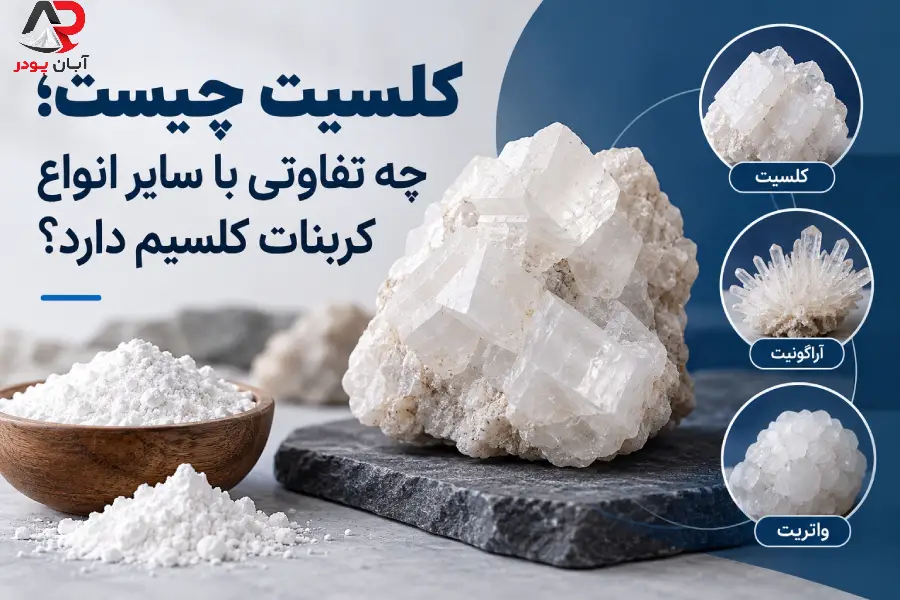
However, calcite is not the only form of calcium carbonate; aragonite and vaterite are also crystalline structures of CaCO₃. Despite sharing the same chemical composition, they differ from calcite in terms of their crystalline structure and certain physical properties.
In this article from Aban Powder, our goal is to explain what calcite is, what its characteristics are, how it differs from other types of calcium carbonate, and why understanding these differences is important when selecting industrial raw materials.
What is calcite?
Calcite is a carbonate mineral with the chemical formula CaCO3—meaning it is composed of calcium, carbon, and oxygen—and is considered one of the most stable natural forms of calcium carbonate.
Calcite, a mineral with a hardness of 3 on the Mohs scale, is one of the most abundant and common minerals in the Earth’s crust (accounting for approximately 4% by weight) and can be found in the composition of many rocks.
Furthermore, this type of mineral is present in many natural stones—particularly limestone and marble—and its sources can be found in various parts of the world.
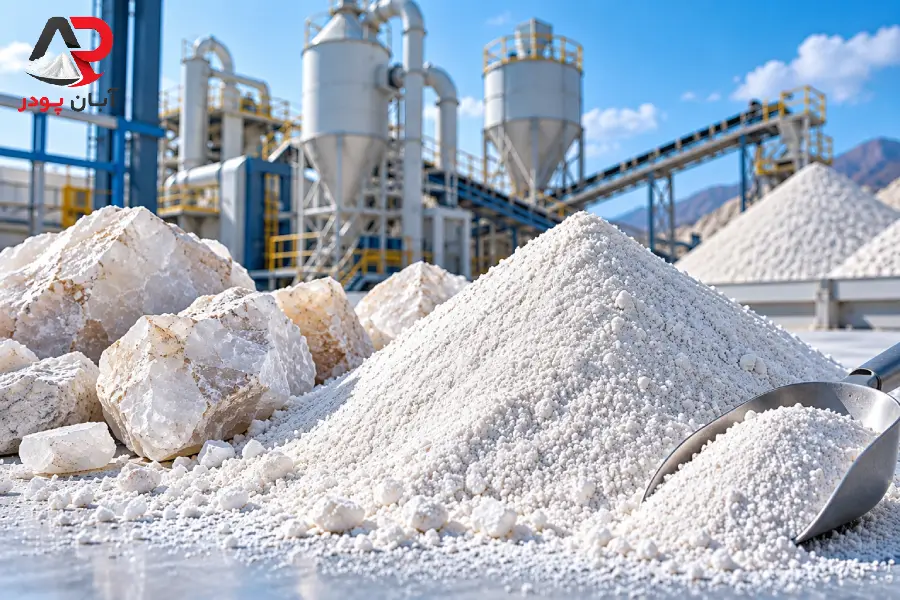
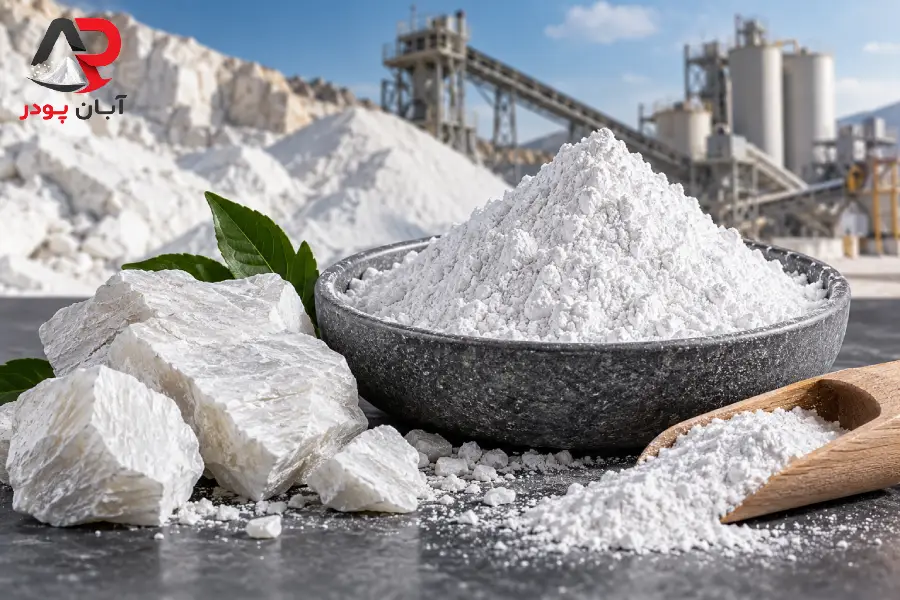
Calcite extracted from mines can be processed—through crushing, grinding, and further treatment—into powders with varying particle size distributions.
In simple terms, when we refer to “calcite,” we are generally speaking from a geological or mineralogical perspective.
In other words, we are referring to the substance in its natural, crystalline form. Conversely, when we speak of “calcium carbonate,” the focus shifts toward its chemical composition or its identity as an industrial product.
For this reason, a manufacturing plant might label its final product “calcium carbonate powder,” even though the raw material was extracted from limestone—a substance composed largely of calcite.
Therefore, when discussing industrial calcite powder, it is not just the chemical composition that matters; the processing method and the physical characteristics of the product are also of great importance.
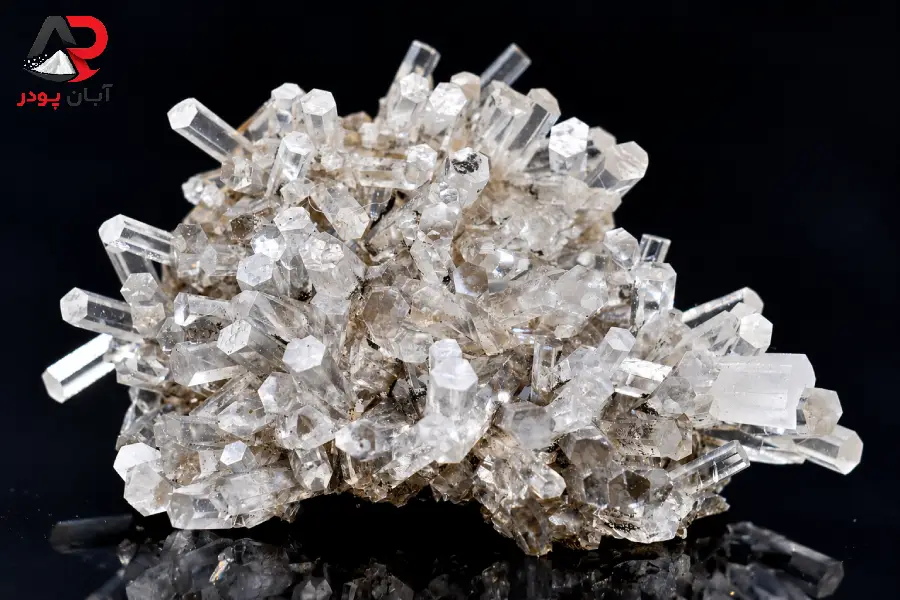
Calcite Properties Table
| Chemical composition | CaCO3 – Calcium Carbonate |
|---|---|
| Color | Usually white, but sometimes colorless, gray, red, green, blue, yellow, brown, orange |
| Streak color | White |
| Transparency | Transparent to Opaque |
| Cleavage | Complete – Rhombohedral, trigonal symmetry |
| Luster | Glassy |
| Refractive index of light | Double refraction |
Is calcite the same as calcium carbonate?
At first glance, calcite and calcium carbonate may seem complex; however, if we shift our perspective, the subject becomes simple.
Calcium carbonate is the chemical name for a substance with the formula CaCO₃. This material can be produced in various forms—such as mineral, sedimentary, powdered, industrial, or micronized—or even as a chemical precipitate. Calcite, however, refers specifically to one of the mineral, crystalline forms of calcium carbonate.
While the concepts of calcite and calcium carbonate are closely related, they are not identical.
Calcium carbonate is a chemical compound defined by the formula CaCO₃, whereas calcite is considered one of the naturally occurring crystalline forms of calcium carbonate.
In simpler terms: Calcium carbonate = the chemical compound CaCO₃; Calcite = one of the mineral, crystalline structures of CaCO₃.
For instance, when discussing CaCO₃ or ground calcium carbonate, the raw material is typically limestone, marble, or other natural carbonate sources.
If these stones are composed primarily of calcite, the resulting powder is sometimes referred to in the market as “calcite powder.”
However, in an industrial procurement context, the term “calcite” alone is not the deciding factor. Key specifications include the purity of the CaCO₃, whiteness, particle size distribution (granulometry), mesh size, moisture content, levels of iron and magnesium impurities, oil absorption, particle shape, and the overall consistency of the material.
To learn more about calcium carbonate, you can read the page titled “What Is Calcium Carbonate Powder?”
Main types of calcium carbonate based on crystal structure
Calcium carbonate has three main known polymorphs:
۱. (Calcite)
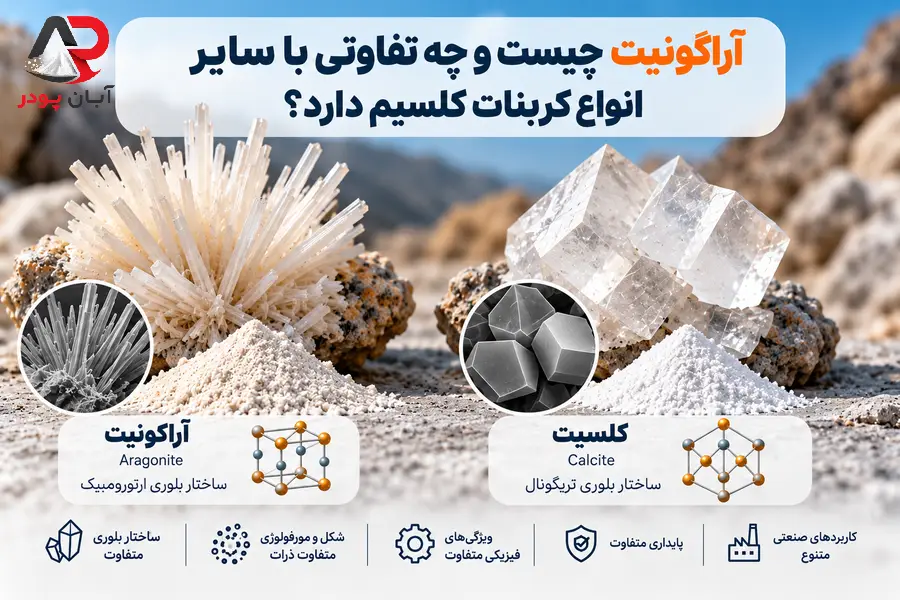
Calcite is the most stable and common form of calcium carbonate under typical environmental conditions. This mineral possesses a trigonal crystal structure and, due to its abundance in nature, is highly significant as a source of mineral raw materials.
Calcite is found in most limestone and marble deposits and, following processing, can be used to produce mineral powders.
۲. (Aragonite)
Aragonite also has the chemical formula CaCO₃, but its crystal structure differs from that of calcite. Aragonite possesses an orthorhombic structure and is less stable than calcite under surface conditions on Earth.
This substance also forms in certain natural environments and biological structures.
۳. (Vaterite)
Vaterite is the third known polymorph of calcium carbonate. This structure is less stable than calcite or aragonite and is encountered far less frequently in nature.
In fact, when discussing natural and industrial sources of calcium carbonate, calcite is generally of far greater significance than vaterite.
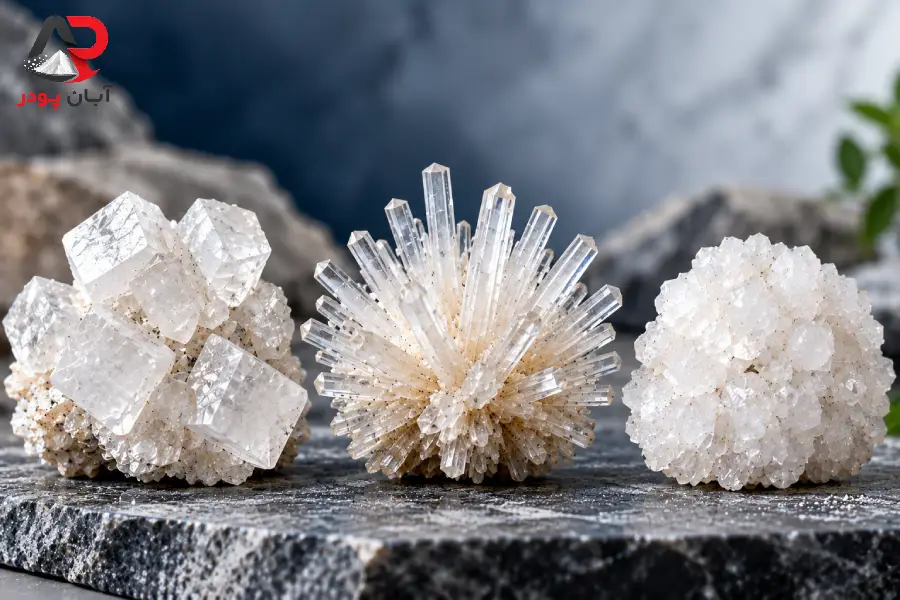
What is the difference between calcite, aragonite, and vaterite?
An interesting point is that all three substances share the same basic chemical formula: CaCO₃.
However, the arrangement of atoms within their crystal structures differs. This variation leads to differences in certain physical properties and their respective levels of stability.
| Feature | Calcite | Aragonite | Watrite |
|---|---|---|---|
| Chemical composition | CaCO₃ | CaCO₃ | CaCO₃ |
| Crystal structure | Trigonal | Orthorhombic | Different from the other two |
| Stability under normal conditions | Up | Less than calcite | Down |
| Natural abundance | A lot | Less | Very little |
| Importance as a common mineral resource | A great deal | More limited | Very limited |
Therefore, the primary difference between these materials should not be sought solely in their chemical formula; rather, their crystal structure and stability are among the most significant factors that distinguish them.
Why does calcite have significant industrial importance?
- Natural abundance is not the only reason for the importance of calcite. Its processability and the ability to produce powders with varying particle size distributions have made calcite—and calcium carbonate materials derived from calcitic sources—highly valued across various industries.
For industrial applications, characteristics such as the following are significant:
Purity percentage of the mineral substance
- CaCO₃ content
- Whiteness degree
- Particle size
- Particle size distribution
- Humidity level
- Type and amount of impurities
- Consistency of product quality
- Powder Mesh
- Alignment of product specifications with the consumer industry
For this reason, the selection of industrial calcite is not based solely on the product name or its particle fineness; rather, its technical specifications must be evaluated in relation to the intended end-use.
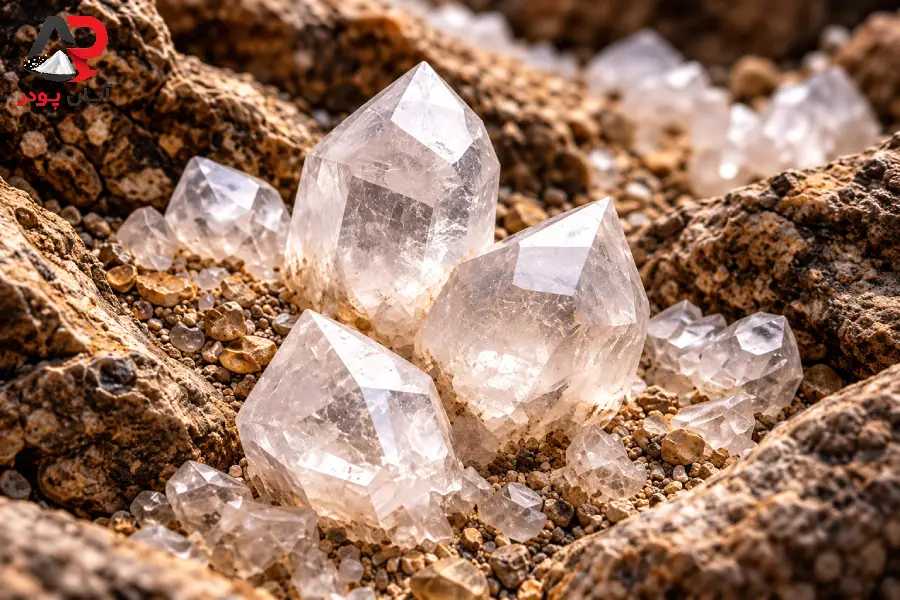
The most important applications of calcite in various industries:
Calcite in the Paint and Coatings Industry:
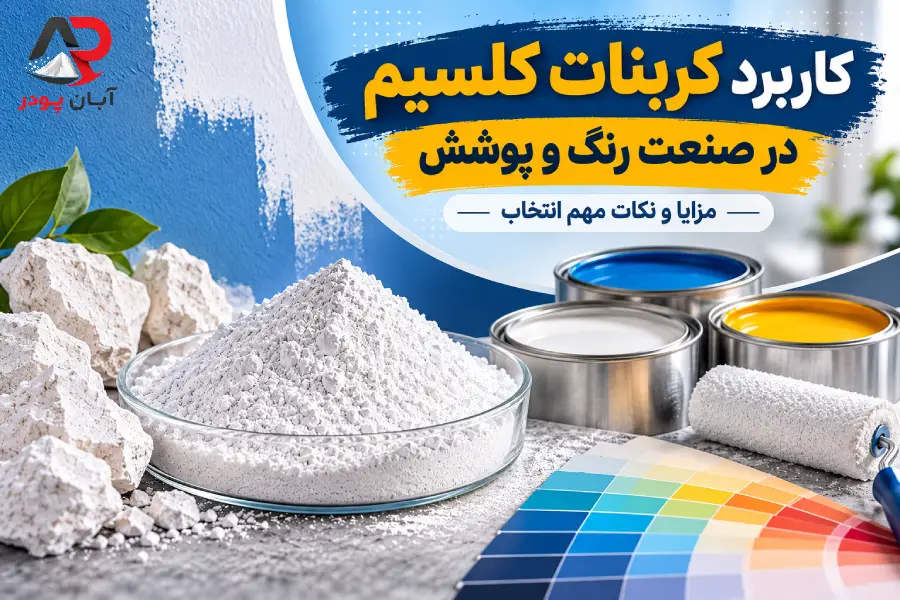
Calcium carbonate materials are used as mineral fillers in many paint and coating formulations.
In this industry, several key factors influence the selection of the raw material, such as whiteness, particle size, purity, and particle size distribution.
For more information: Calcium carbonate in the paint and coatings industry
Calcite in the Plastics Industry:
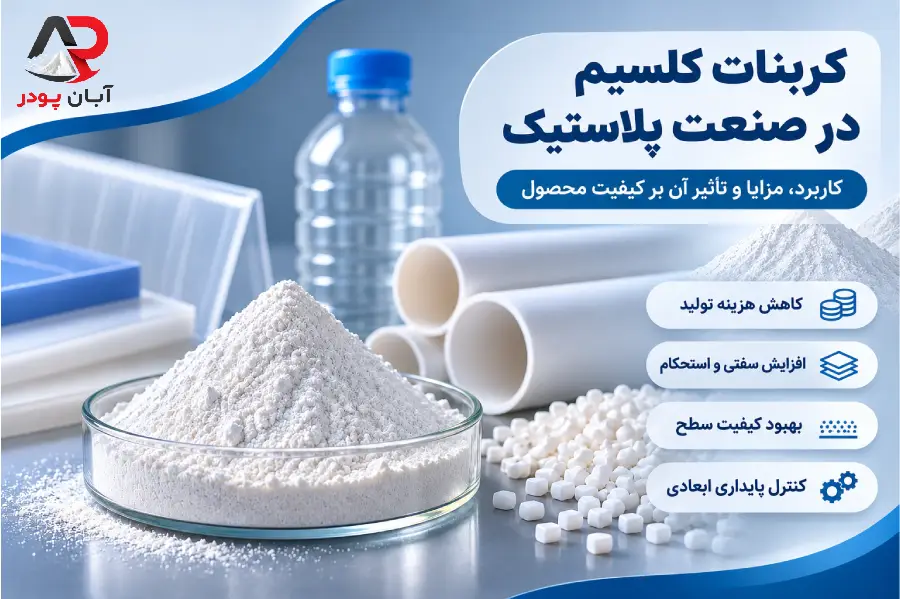
Calcium carbonate is also used in the production lines of certain plastic products. Its proper application depends on the type of polymer, the formulation, and the expected specifications of the final product.
In this context, particle size and distribution are of particular importance, and the specific grade used must be selected based on the conditions of the manufacturing process.
Calcite in PVC Products:
Another area where calcium carbonate is used is in the production of certain PVC products, such as profiles, components, and similar items.
In this application, the uniformity of the raw material and the consistency of its specifications are of great importance, as any variation in the powder’s properties can affect the manufacturing process and the characteristics of the final product.
Calcite in the Paper Industry:
Calcium carbonate is also widely used in the paper industry; depending on the production process, it can serve as a filler or be used in paper coating. In this industry, characteristics such as whiteness and particle size are of great importance.
Calcite in Adhesives and Sealants:
Calcium carbonate is also used as a mineral filler in certain adhesive, putty, and sealant formulations.
In the adhesive and sealant industry, the appropriate particle size must be selected based on the type of product and its formulation.
Calcite in the construction industry:
Calcium carbonate materials are also used in certain construction materials and compounds. Mortars, putties, and various other construction mixtures are among the applications where mineral powders can be utilized.
Calcite in the Ceramics Industry:
In some formulations within the ceramics industry, materials containing calcium carbonate are also used.
In this industry, the degree of purity and the type of impurities present in the raw material are of great importance and must be evaluated in relation to the production process.
What is the difference between calcite and precipitated calcium carbonate?
A common source of confusion is distinguishing between natural calcite and Precipitated Calcium Carbonate (PCC).
The difference between Precipitated Calcium Carbonate and mineral-based calcium carbonate lies in their molecular structure.
Naturally occurring calcium carbonate exists in the form of minerals such as calcite and aragonite, which differ significantly in their molecular configuration.
Natural calcium carbonate—often referred to as GCC (Ground Calcium Carbonate)—is typically extracted from mineral sources and subsequently crushed and ground.
In contrast, PCC (Precipitated Calcium Carbonate) is produced through controlled industrial processes.
Therefore, the choice between these materials depends on the application, formulation, required specifications, and the manufacturer’s economic considerations.
How to select the appropriate calcite for industrial applications?
First, it must be determined in which industry the raw material is to be used.
For example, the specifications required by a paint manufacturer may differ from those required by a manufacturer of PVC or adhesives.
Once the application is identified, it is advisable to examine factors such as purity, whiteness, granulation, particle size, moisture content, and impurities.
Furthermore, in industrial procurement, the consistency of raw material specifications is of great importance; variations in quality from one shipment to another can disrupt the production process.
Purchasing Calcium Carbonate from Aban Powder
Aban Powder is active in the production and supply of mineral and micronized powders.
…which enables the supply of mineral materials in various gradations for diverse industries.
Selecting the appropriate specifications based on the intended application can assist manufacturers in obtaining a more suitable raw material for their production process.
Furthermore, Aban Powder—an entity active in the production and supply of mineral powders—offers calcium carbonate for industrial applications.
سخن پایانی:
Calcite is one of the most important and abundant natural forms of calcium carbonate (CaCO₃).
Although calcite, aragonite, and vaterite all share the same fundamental chemical composition, differences in their crystal structures result in variations in some of their properties.
Among these structures, calcite holds particular significance as a mineral source of calcium carbonate, owing to its stability and natural abundance.
In industrial applications, the mere designation “calcite” or “calcium carbonate” is not the sole determining factor; rather, attributes such as purity, whiteness, particle size, gradation, and consistency in quality must be evaluated in the context of the specific industry in which the material is to be used.