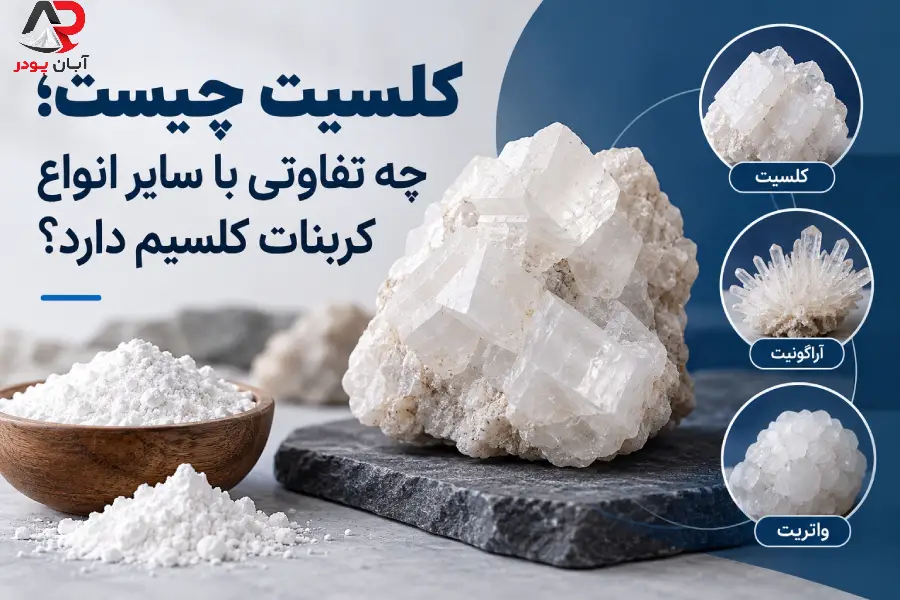


What is aragonite | How does it differ from other types of calcium carbonate?
Aragonite: When it comes to calcium carbonate, most people assume they are dealing with a mineral that has a specific, defined structure.
Calcium carbonate can form in nature with various crystalline structures; this is known as ground calcium carbonate.
Aragonite is one of the most important of these structures; although it shares the same chemical formula as calcite, it possesses different physical and crystalline properties.
But what exactly is aragonite? How does it differ from calcite and other forms of calcium carbonate?
In the remainder of this article from Aban Powder, we will explore—in simple terms—aragonite, its characteristics, and how this mineral differs from other forms of calcium carbonate.
What is aragonite?
Aragonite, with the chemical formula CaCO3, is a carbonate mineral and one of the two common naturally occurring crystalline forms of calcium carbonate.
It is a mineral that forms through biological and physical processes in environments where water—such as marine environments—is present.
In nature, it can be found in the form of acicular (needle-like) or prismatic crystals, as well as in various crystalline aggregates.
Aragonite also occurs in massive and fibrous forms; clusters that develop in a stalactitic (dripstone-like) habit are known as “iron flowers.”
This naming stems from their intermixture with the mineral ore in the Carinthia iron mine.
Aragonite appears in the form of transparent, colorless crystals; however, due to the presence of impurities, it can also be found in various colors—including white, red, yellow, orange, green, purple, gray, blue, and brown—and is rich in minerals.
This mineral forms through various natural processes and can be found in both marine and freshwater environments.
A portion of the aragonite existing in nature is formed through biological processes, constituting the structure of the shells or skeletons of certain marine organisms.
It is found in the shells of nearly all mollusks, as well as in the internal skeletal structures of corals inhabiting both warm and cold waters.
Furthermore, because the mineral deposits within mollusk shells are highly dependent on biological conditions, significant differences can be observed between biogenic (biologically formed) and abiogenic (non-biologically formed) crystals.
What is the relationship between calcium carbonate and aragonite?
Aragonite is a type of carbonate mineral with the chemical formula of calcium carbonate.
Calcium carbonate has the chemical formula CaCO₃; however, this compound can form with different crystalline arrangements.
Therefore, aragonite is not a substance distinct from calcium carbonate; rather, it is one of the crystalline forms of calcium carbonate.
In colloquial terms, one could say: every aragonite is calcium carbonate, but not every calcium carbonate is necessarily aragonite.
Also read: What is calcium carbonate powder?
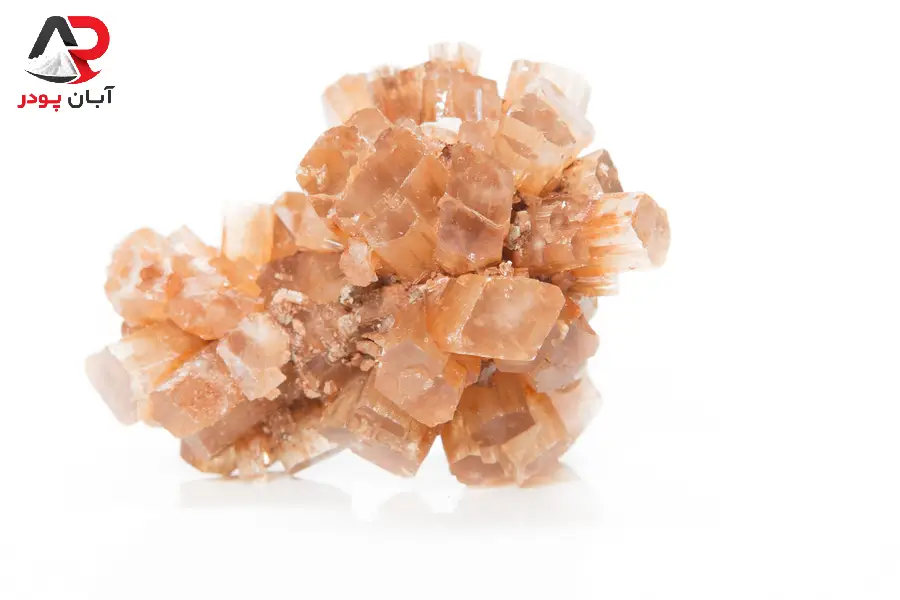
The most important characteristics of aragonite:
Understanding the characteristics of aragonite helps us better distinguish it from other forms of calcium carbonate.
1. Chemical composition: CaCO₃
Aragonite is chemically calcium carbonate and has the same chemical formula as calcite.
2. Different crystal structure
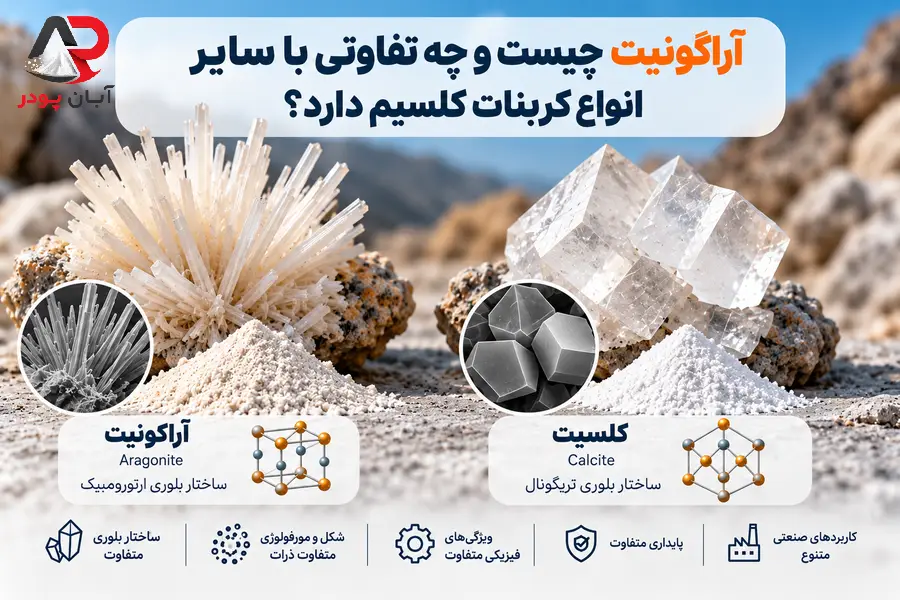
One of the most important characteristics of aragonite is its orthorhombic crystal structure.
This structure differs from that of calcite, and this is considered one of the reasons for the difference in the physical properties of these two minerals.
3. Specific crystal shapes
Aragonite crystals can form in elongated, acicular (needle-like), or prismatic shapes. The shape and morphology of the particles are of great importance in certain industrial applications.
What is the difference between aragonite and calcite?
Calcite is the most important substance to compare with aragonite, as both are composed of CaCO₃.
Calcite is the more stable form of this mineral. When heated to 752°F, aragonite transforms into calcite.
In terms of hardness, aragonite ranks between 3.5 and 4 on the Mohs scale, making it slightly harder than calcite, which has a hardness of 3.
However, both are considered very soft minerals; the primary difference between them lies in their crystal structure.
Aragonite possesses an orthorhombic structure, whereas calcite has a trigonal structure.
These differences in the arrangement of atoms result in distinct crystal shapes and variations in certain physical properties.
Comparison of Aragonite and Calcite:
| Feature | Aragonite | Calcite |
|---|---|---|
| Sustainability | Unstable | Stable |
| Hardness (Mohs scale) | 3.5–4 | |
| Color | White, yellow, brown, green | Varied, but with less variety than aragonite |
| Spiritual meaning | Connecting to the Earth, grounding energy | – |
Why is the crystal structure of calcium carbonate important?
One might ask: given that the chemical formula for all these substances is CaCO₃, why does the crystal structure matter?
The answer lies in the physical properties of matter.
Differences in crystal structure and morphology can influence properties such as particle shape, hardness, stability, particle dispersion characteristics, and the performance of the material within certain formulations.
For this reason, in industrial applications, merely examining the CaCO₃ percentage is insufficient; specifications such as structure, purity, particle size, and particle size distribution must also be taken into account.
How is aragonite formed?
Aragonite can form through chemical precipitation or biological processes.
This mineral is found in most marine and freshwater environments, and various marine organisms can also produce aragonitic calcium carbonate within their hard structures.
Environmental conditions—such as temperature, pressure, solution composition, and the degree of supersaturation—can play a role in the formation of different forms of calcium carbonate.
Applications of Aragonite:
The unique structure of aragonite has led to this form of calcium carbonate gaining attention in research and certain industrial applications.
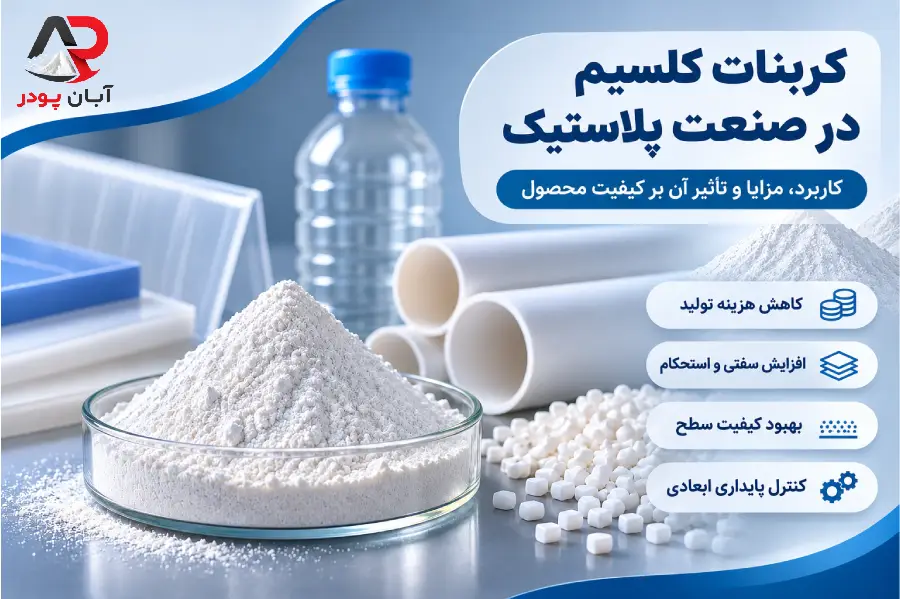
Aragonite in polymer industries
Calcium carbonate is a mineral used in certain polymer compounds; the shape and size of its particles can influence how the filler performs within the final composition.
For this reason, aragonitic structures—particularly those with a needle-like morphology—are being investigated for use in certain composites and polymer formulations.
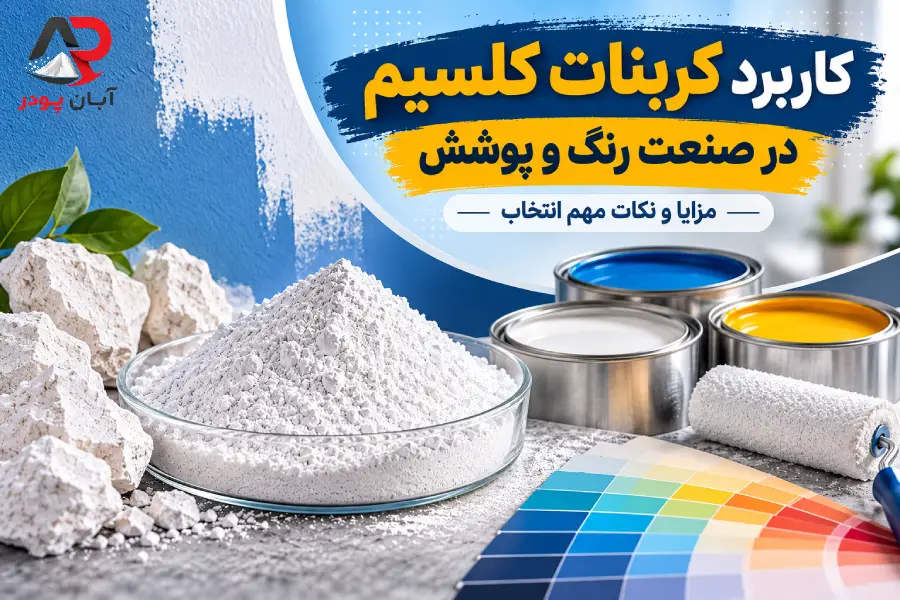
Aragonite in the Paint and Coatings Industry
Carbonate materials are also widely used in the paint and coating industries. The type of calcium carbonate, particle size, whiteness level, purity, and surface characteristics must be selected based on the product formulation.
Also read: Calcium carbonate in the paint and coating industry
Aragonite in the Paper Industry
Calcium carbonate is used as a mineral in the paper industry. Characteristics such as whiteness, particle size, and particle shape are key factors in selecting the appropriate grade.
Aragonite in Composites
One notable area of application for aragonitic structures is the production and study of composite materials. The distinct morphology of aragonite particles can cause them to exhibit behavior—within certain composite systems—that differs from that of conventional calcitic particles.
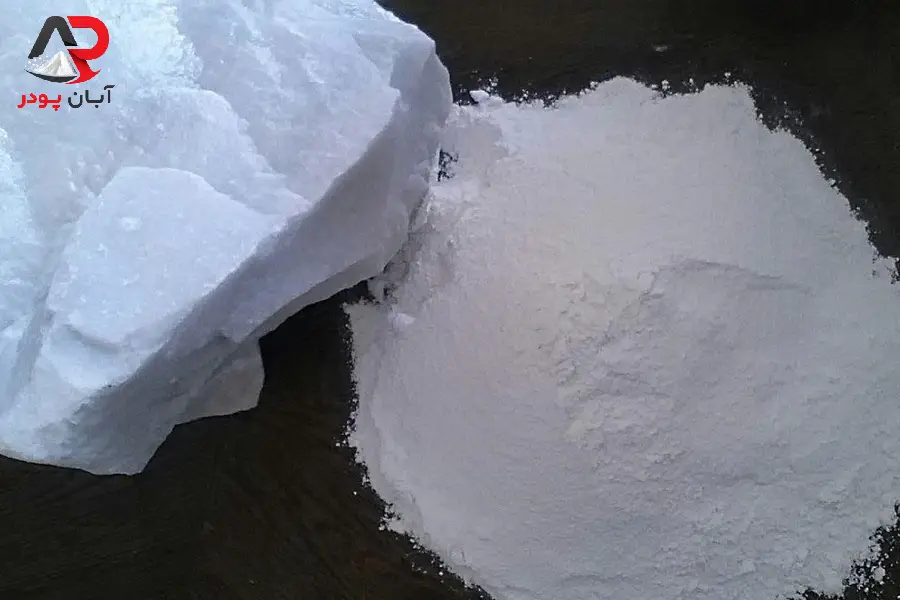
The Difference Between Calcitic and Aragonitic Calcium Carbonate in Industry
In many industrial applications, calcitic calcium carbonate is more common.
The natural abundance and greater stability of calcite are key reasons for its widespread use.
In contrast, a significant characteristic of aragonite is the distinct structure and morphology of its crystals.
Therefore, in applications where particle shape or properties derived from the crystal structure are important, aragonite may be a suitable choice.
The selection between calcite, aragonite, or other forms of calcium carbonate should be based on the type of product, the production process, and the required technical specifications.
When choosing calcium carbonate, do not look only at its name.
One point worth noting for manufacturing units is that two powders labeled “calcium carbonate“ do not necessarily perform in exactly the same way.
Before selecting the appropriate calcium carbonate, it is advisable to examine the following specifications:
Purity: The content of CaCO₃ and the presence of impurities are of great importance.
Particle Size: The particle size and size distribution should be selected based on the intended application.
Whiteness: This is particularly significant in industries such as paints, paper, and light-colored polymer products.
Particle Morphology: The shape of the particles can influence the material’s performance in certain formulations.
Crystal Structure: Whether the structure is calcitic or aragonitic is also a factor to consider for specialized applications.
Therefore, the selection of mineral materials should be based on technical analysis and the actual requirements of the production line, rather than merely on the product’s brand name or generic designation.
Which is better, aragonite or calcite?
The short answer to this question depends on the intended application.
Due to its greater stability and abundance, calcite is commonly used in many industrial applications.
On the other hand, aragonite—with its distinct crystal structure and morphology—may be of interest for certain specialized applications.
For instance, if particle shape is a critical factor in a composite material, considering aragonite could be a logical choice.
Conversely, for other applications, a specific grade of calcite with the appropriate particle size distribution and purity might be the better option.
Therefore, it is impossible to definitively declare one superior to the other without first examining the technical specifications of the final product.
Purchasing Calcium Carbonate from Aban Powder
Aban Powder operates in the field of mineral materials and powders; when selecting the appropriate product, it is crucial to examine the technical specifications of the material to ensure it aligns with the specific requirements of each industry.
As an entity active in the production and supply of mineral powders, Aban Powder offers calcium carbonate for industrial applications.
Concluding Remarks:
Aragonite is one of the crystalline forms of calcium carbonate, with the formula CaCO₃.
This type of mineral has the same chemical formula as calcite, but possesses a different crystal structure.
This results in differences regarding crystal shape, hardness, stability, and certain physical properties.
Calcite and aragonite are among the most significant forms of calcium carbonate; of the two, calcite is more stable and common under typical conditions.
Isfahan Office: 031-45341361
Mobile: 09120776403
Factory Phone: 066-43349066