

What Is Calcium Carbonate Powder? Types, Applications and Benefits
What is calcium carbonate powder? A review of its types, applications and benefits
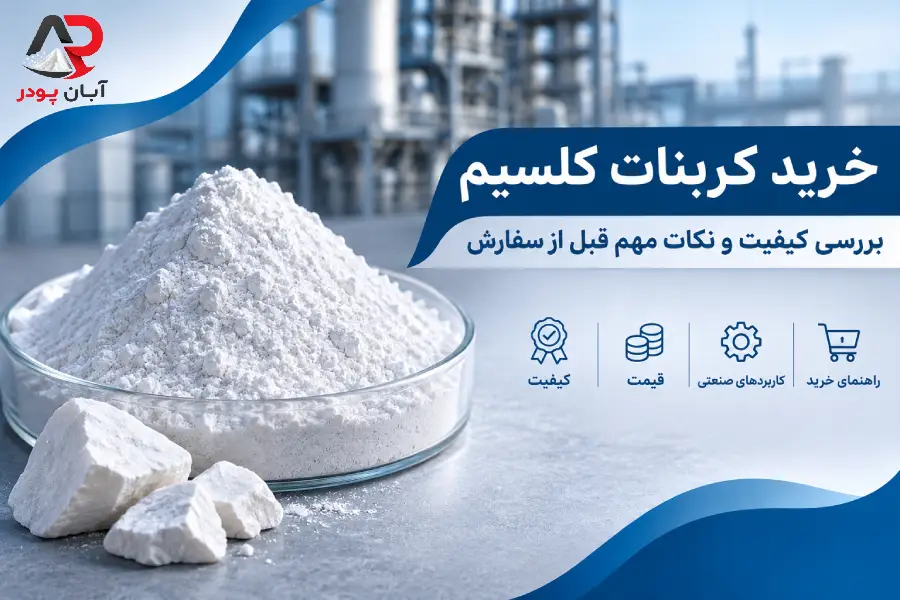
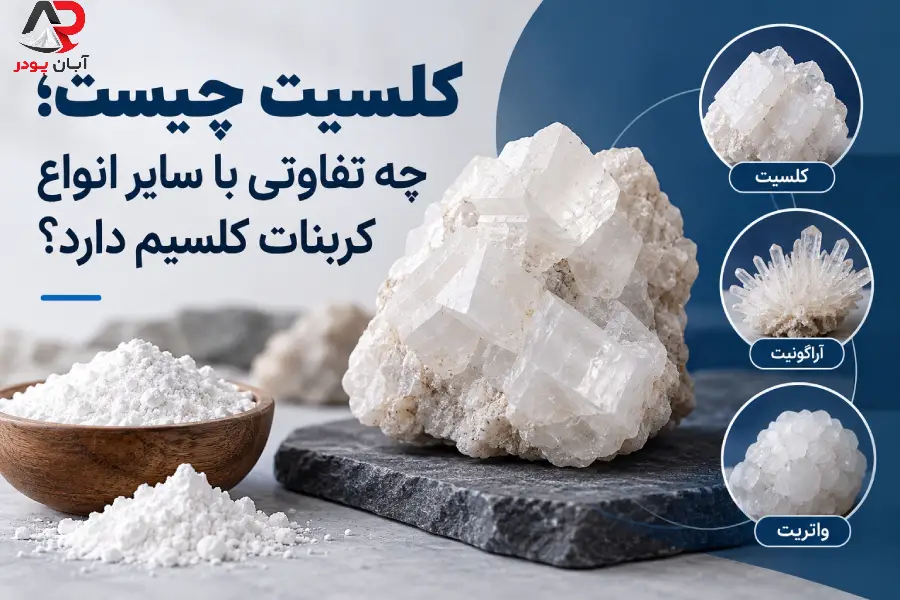
Calcium carbonate is a white powder with very high solubility in water. However, when exposed to heat, it releases carbon dioxide and turns into calcium oxide. Thanks to its grindability and ease of particle size grading, as well as its compatibility with many industrial processes, calcium carbonate is widely used in the plastics, paint, paper, rubber, construction, adhesives, PVC, masterbatch and compound industries. This odorless, flavorless and tasteless substance occurs naturally in many foods that people consume every day, including eggshells, the outer shells of marine animals and more. Beyond foods, calcium carbonate is also found in many rocks and minerals such as calcite and aragonite.
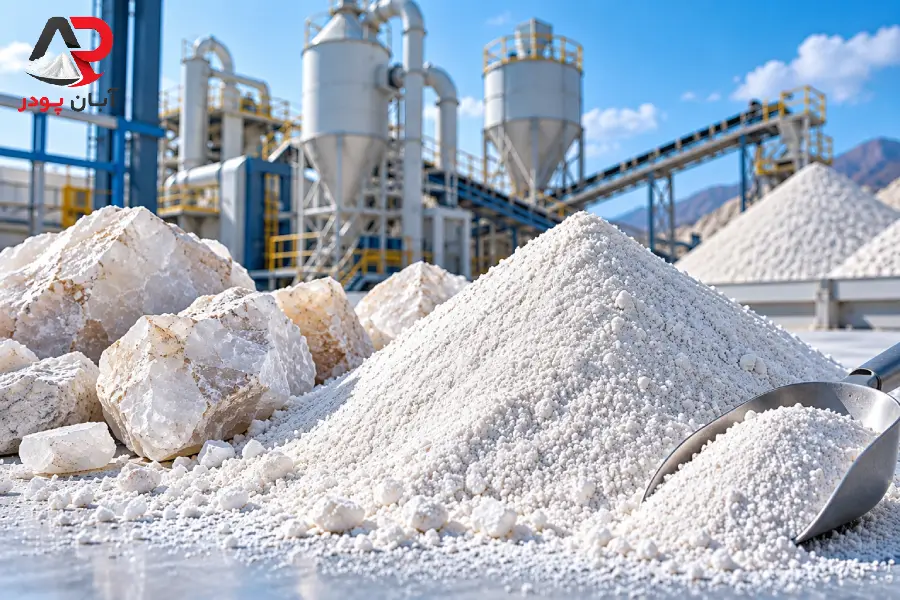
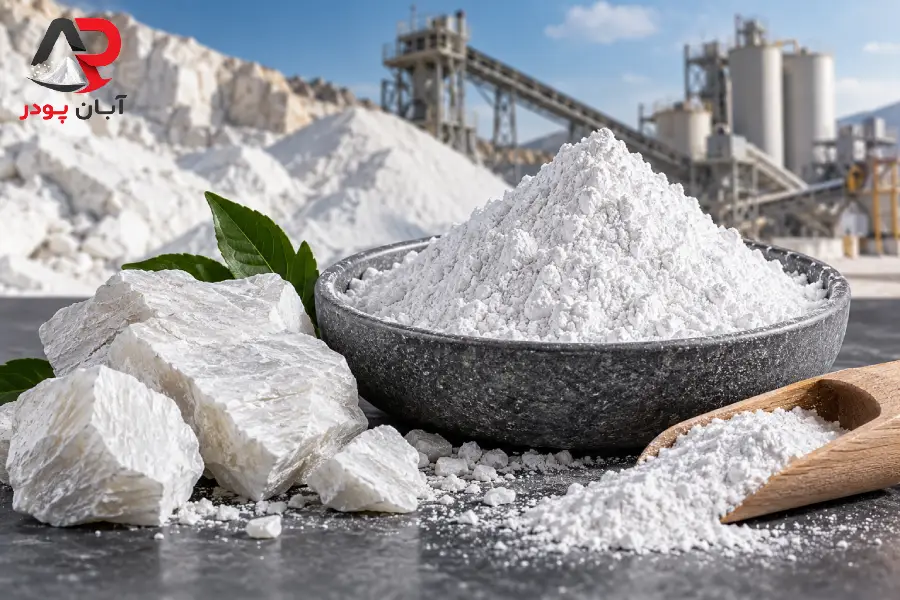
Calcium carbonate, with the chemical formula CaCO₃ occurs naturally in rocks such as limestone, calcite and marble and, after extraction, processing, crushing and grinding, can be turned into calcium carbonate powder in a variety of particle size gradations.
In this article from Aban Powder, we introduce calcium carbonate powder, its types, production method, applications, key properties, the differences between types of calcium carbonate and the factors that affect its price.
Types of Calcium Carbonate:
Calcium carbonates are divided into two categories: ground (powdered) calcium carbonate, and precipitated calcium carbonate.
Ground (Powdered) Calcium Carbonate:
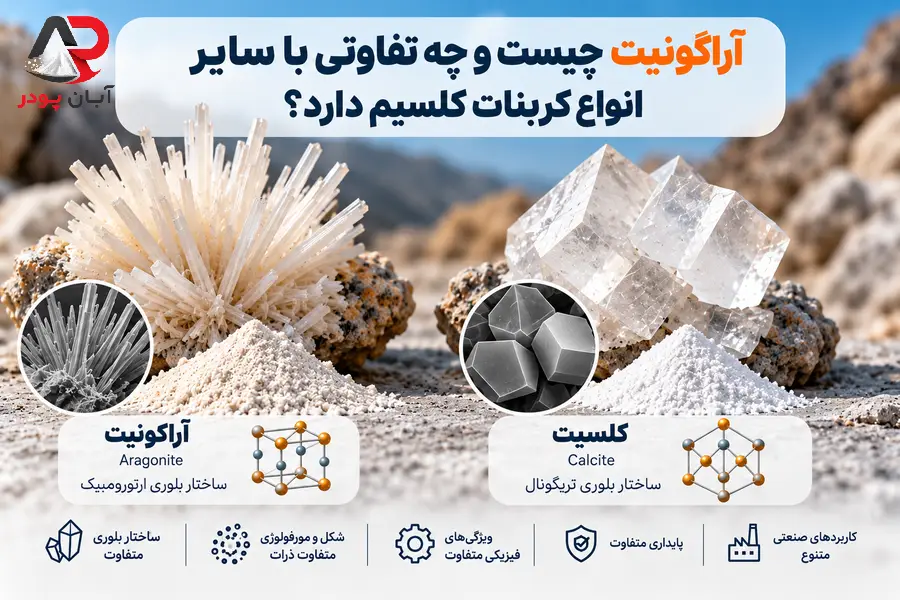
This type of calcium carbonate is extracted from natural sources such as limestone or calcite and is turned into powder after crushing, grinding and particle size grading. Thanks to its reasonable price and wide range of gradations, mineral calcium carbonate is one of the most widely consumed types of calcium carbonate across industries. Ground calcium carbonate itself is divided into two types: hydrated and anhydrous. The hydrated type includes monohydrate and hexahydrate structures, while the anhydrous type includes aragonite, vaterite and calcite.
Precipitated Calcium Carbonate:
Precipitated calcium carbonate is obtained through a chemical process (Precipitated Calcium Carbonate, PCC). It is usually used in applications where precise control of the material’s physical and chemical properties matters most. This type of calcium carbonate has extremely fine particles, and its formation process is very costly and time-consuming, which is why it is much more expensive than ground calcium carbonate.
What Is Calcium Carbonate Mesh?
When buying calcium carbonate powder, mesh is one of the most important terms to understand.
Mesh is generally used to express the size of powder particles and their fineness. The finer the product’s particles, the more its physical properties and the way it is used will change.
For example, calcium carbonate products in various mesh sizes, such as
100 mesh, 200 mesh, 325 mesh and finer meshes,
are available on the market.
However, to specify particle size precisely in industrial applications, it is best to check not only the mesh but also the particle size analysis and particle size distribution of the product.
What Are the Applications of Calcium Carbonate Powder?
Calcium carbonate is so widely used largely because of its versatility across applications. This material can be used as a mineral filler or as a raw material in the formulation of many products.
Below, we review the most important applications of calcium carbonate powder.
1. Calcium Carbonate in Construction
Calcium carbonate and minerals containing it are widely used in the construction industry.
Its areas of use include:
- Production of building materials, such as preparing and producing gypsum plaster
- Architectural (building) paints
- Putty
- Bricklaying adhesives
- Specialty mortars
- Certain cement-based products and rubber compounds
among others.
2. Calcium Carbonate in the Paper Industry
It is valued for its high brightening property and is used as a low-cost filler to produce bright matte paper. Calcium carbonate can be used as a mineral in certain papermaking processes. The filler is added at the wet end of paper machines, allowing the calcium carbonate filler to make the paper bright and smooth. In this application, properties such as whiteness, purity and particle size are especially important.
3. Calcium Carbonate in the Plastics Industry
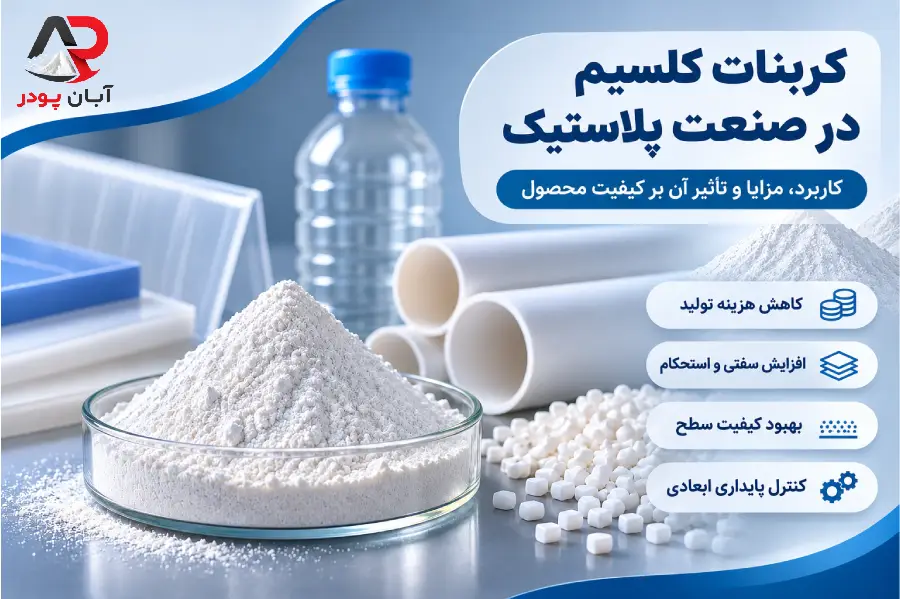
The plastics industry is one of the major consumers of calcium carbonate. In some plastic formulations, calcium carbonate is used as a filler and can help control raw material costs and modify certain product properties.
Calcium carbonate is used in the production of:
- PVC pipes
- Profiles
- Plastic sheets
- Polymer films
- Plastic parts
- Masterbatch
- Compounds
and similar products.
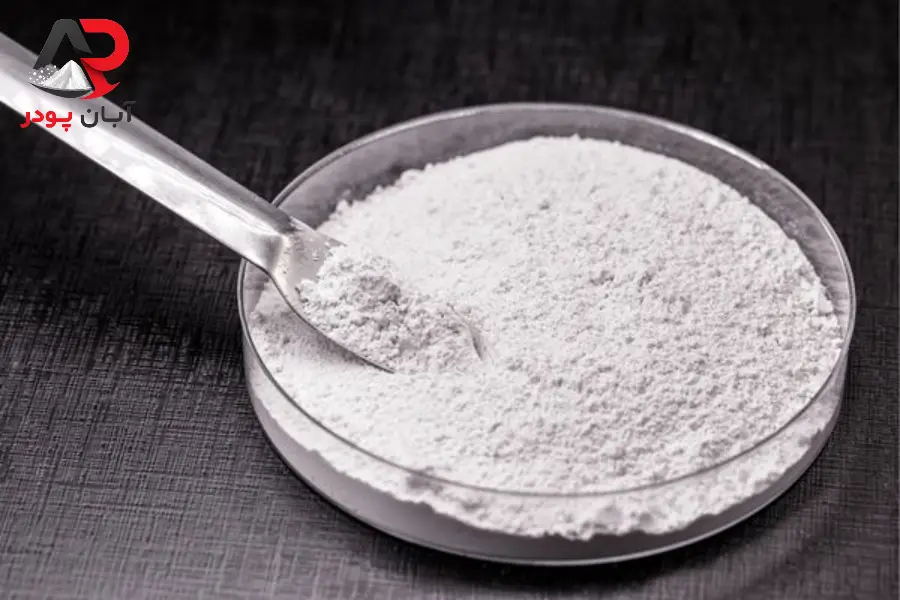
It is worth noting that the choice of mesh, whiteness, surface coating and other product specifications should match the type of polymer and the production process.
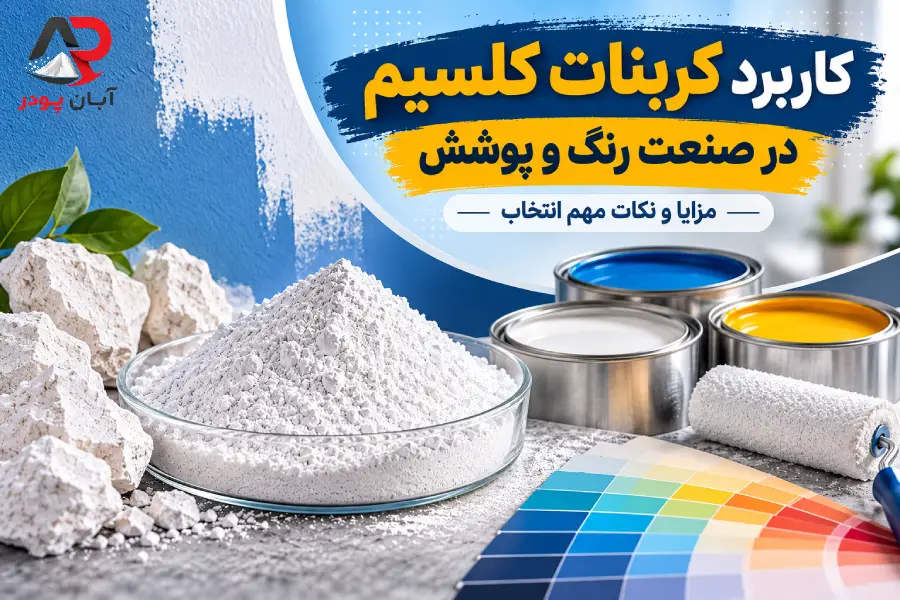
4. Calcium Carbonate in the Paint Industry
Calcium carbonate is used in the production of various paints and coatings as well.
Calcium carbonate is used as a filler or mineral extender in some formulations.
Properties such as:
- Whiteness
- Particle size
- Purity
- Dispersibility
- Oil absorption
can be important in selecting the right calcium carbonate for the paint industry.
5. Calcium Carbonate in Adhesives and Sealants
In some types of adhesives and sealants, calcium carbonate is used as a filler. In these products, the particle size and moisture content of the powder are very important, because the quality of the filler can affect the mixing process and the properties of the final product.
The range of fillers used today is almost as wide as the range of adhesives and sealants available: from white marble powder for wet-room sealants and fine and coarse calcium-based powders for tile adhesives and grouts, to surface-treated fillers for moisture-sensitive systems. Specially treated carbonate grades offer very low moisture and absorption, and are therefore designed specifically for reactive adhesives and sealants based on hybrid polymer systems.
6. Calcium Carbonate in Glass and Ceramics:
Natural glass has existed since ancient times. It formed when certain types of rock melted as a result of high-temperature phenomena such as volcanic eruptions, lightning strikes or meteorite impacts, and then cooled and solidified rapidly.
In glass, calcium carbonate is used as a stabilizer, modifying viscosity and increasing the durability of the glass. For all types of glass, the common properties required of calcium carbonate are very low iron content, consistent chemical characteristics and low moisture. Dolomite, a calcium magnesium carbonate mineral, can also be used as a stabilizer to improve the glass’s resistance to natural or chemical attack in all three types of glass.
The ceramics market can be divided into two main segments: vitrified ceramic bodies and porous ceramic tiles.
Alongside silica sand, calcium carbonate powder is another key component in ceramic production. Calcium carbonate is an economical source of calcium oxide, which is required as a fluxing agent at high temperatures (1050 °C); it improves the mechanical and chemical strength of the vitreous body and reduces firing shrinkage
In addition to these, calcium carbonate powder is used in many other areas, for example:
1) Textile industry: Calcium carbonate is used as an antistatic agent in the production of synthetic fibers such as polyester and nylon.
2) Printing and platemaking industry: In the printing and platemaking industry, calcium carbonate is used to prepare printing inks and to fix color on paper.
3) Water and wastewater industry: Calcium carbonate is used as a precipitating agent in water and wastewater treatment processes.
4) Aquaculture industry: In aquaculture, calcium carbonate is used as a source of calcium for the growth and health of fish.
5) Stationery industry: Calcium carbonate is used as a filler in the production of colored pencils, self-coloring pens and stone paper.
These are just a few examples of the industries in which calcium carbonate is used, and depending on each industry’s needs, other applications may also exist…
Key Properties of Calcium Carbonate Powder
The quality of calcium carbonate cannot be determined by a single factor. A combination of properties determines whether a product is suitable for a specific application.
The most important specifications are:
1. Purity Percentage
The lower the level of undesirable impurities, the easier it is for the user to control the production process.
2. Whiteness
Whiteness is very important for industries such as paint, plastics, paper and certain construction products.
3. Particle Size Grading
Particle size and its distribution are among the most important technical specifications of calcium carbonate powder.
4. Moisture Content
The moisture content of the powder can affect how the product is stored, transported and used in certain industrial processes.
5. Oil Absorption
In some industries, especially paints and coatings, oil absorption is one of the key parameters in selecting a mineral filler.
6. Particle Shape and Distribution
The shape of the particles and how they are distributed can influence the performance of calcium carbonate in different formulations.
Benefits of Using Calcium Carbonate Powder
Calcium carbonate is used across a wide range of industries for a variety of reasons.
Its most important benefits are:
- Cost-effective price in many applications
- Abundant mineral resources
- Can be produced in various particle size gradations
- Good whiteness in high-quality grades
- Suitable for use as a filler
- Wide application across industries
- Can be combined with a variety of raw materials
- Can be processed and ground to fine particle sizes
- Products can be selected to match the end use
Of course, how much each of these benefits matters depends on the product quality and the type of application in each case.
What Factors Affect the Quality of Calcium Carbonate?
When buying calcium carbonate, paying attention to the product name alone is not enough. The quality of the raw material and the production process play an important role in the final quality of the powder.
The most important factors are:
- Type and quality of the ore:
The quality of the raw rock can affect the purity, whiteness and composition of the product. - Crushing and grinding process:
Suitable equipment can help produce a product with a more uniform particle size grading. - Classification system:
Separating particles by size is essential to obtain a product with a defined particle size specification. - Moisture control:
Controlling production and storage conditions is essential to maintain product quality. - Quality control and analysis:
Reviewing the product’s chemical and physical specifications helps the user choose the right product for their application.
How Is the Price of Calcium Carbonate Powder Determined?
The price of calcium carbonate powder is not a fixed figure; it depends on many factors.
The most important factors affecting the price are:
- Purity percentage
- Type of calcium carbonate
- Ground (mineral) or precipitated
- Mesh and particle size grading
- Whiteness level
- Type of processing
- Coated or uncoated
- Raw material quality
- Packaging
- Order quantity
- Shipping cost
- Raw material market conditions
For this reason, comparing the prices of two calcium carbonate products without reviewing their technical specifications may not give an accurate result.
To get the current price of calcium carbonate from Aban Powder, it is best to look up your application specifications and required quantity on the Aban Powder website and get in touch with Aban Powder’s experts to order the product you need.
Calcium Carbonate Powder Buying Guide | Purchase Specifications
If you plan to buy calcium carbonate, it is best to define a few specifications before placing your order.
Define the Product Application
First, determine which industry the calcium carbonate will be used in: plastics, PVC, paint, paper, rubber, construction or another application.
Determine the Required Mesh
The required particle size can vary depending on the production process.
Review the Product Analysis
In industrial purchasing, obtaining the technical specifications and analysis of the product is very important.
Check the Whiteness Level
If the product is used in paint, paper or white-colored products, whiteness can be one of the key purchasing criteria.
Check the Moisture Content
Excessive moisture can cause problems in some industrial processes.
Specify the Purchase Quantity
Bulk purchases may come with different pricing and packaging terms than small orders.
Conclusion: What Is Calcium Carbonate Powder Used For?
Calcium carbonate powder is one of the most widely used minerals across industries, and thanks to its variety of particle size gradations, suitability as a filler, good whiteness in high-quality grades and cost-effective price, it has found wide application. It is used in the plastics, PVC, masterbatch, compound, paint, paper, rubber, construction, adhesives and sealants industries.
We recommend that, for more information, you visit the Aban Powder website and receive high-quality services by getting in touch with us.