

What Is Micronized Calcium Carbonate?
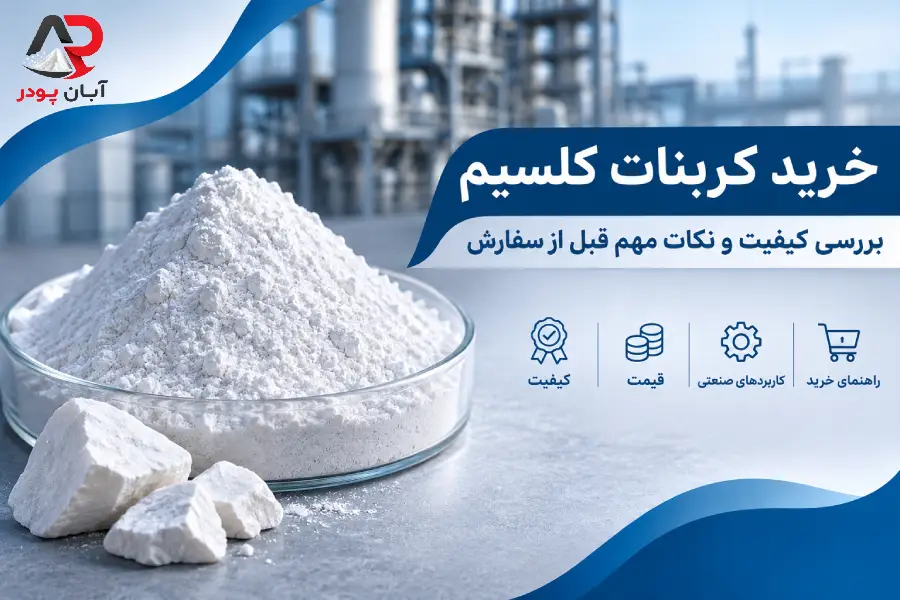
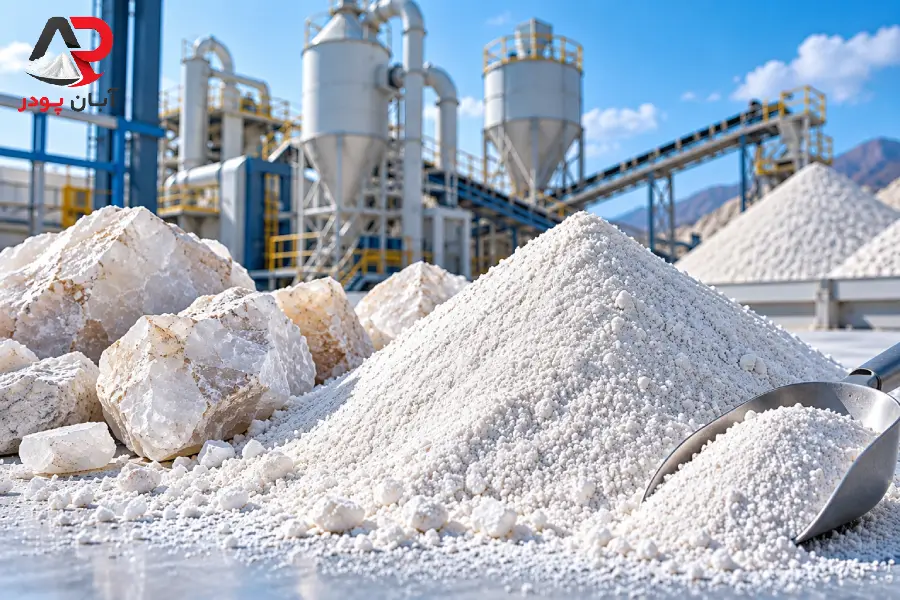
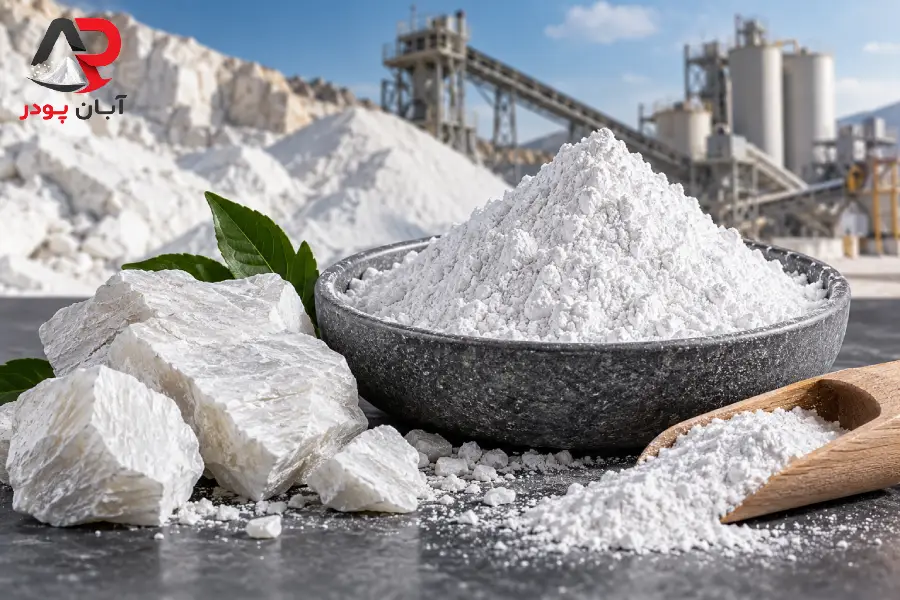
Calcium carbonate is one of the most widely used minerals across a range of industries and is naturally extracted from limestone quarries. After extraction, the material is crushed, milled and graded to produce a micronized powder. Micronized refers to the fineness of the powder particles and the uniformity of their size. The more precise the milling and particle size grading process, the higher the quality of the final product and the more it can be used in demanding, sensitive industries.
Thanks to its white color, high purity, reasonable price and ability to blend with a wide range of materials, micronized calcium carbonate is considered one of the most important raw materials required by factories. This product is produced in various mesh sizes, and each industry needs a specific mesh depending on its production process, equipment and the properties of its final product.
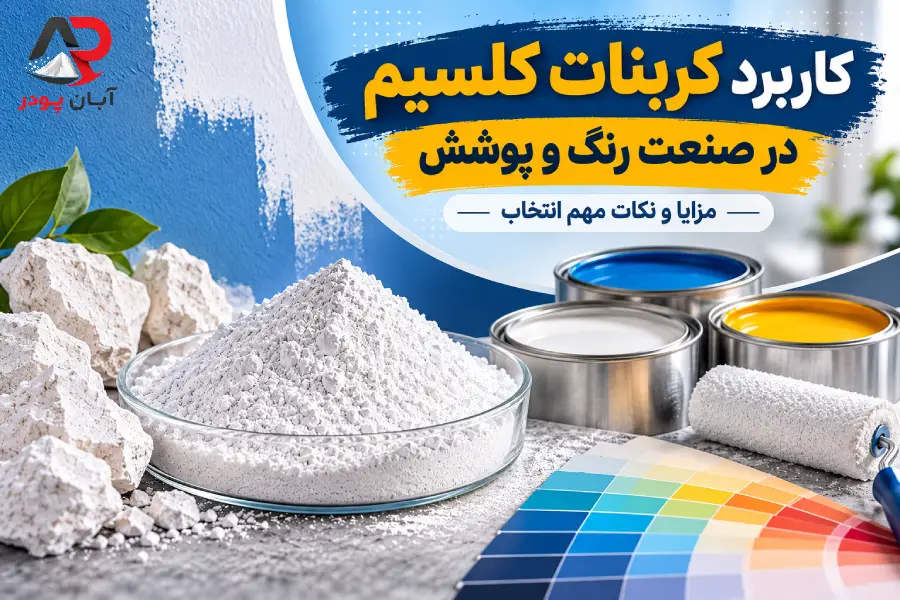
Calcium Carbonate Applications in the Paint Industry
In paint manufacturing, calcium carbonate is used as a mineral filler. Using this material can improve the hiding power, viscosity, whiteness and durability of paint. It also helps reduce production costs, since it replaces part of the expensive raw materials with a high-quality, economical mineral.
The whiteness, purity and particle size grading of the powder are very important in the paint industry. Impurities or coarse particles can reduce the quality of the paint surface and affect the final appearance of the product. For this reason, paint manufacturers should use uniform, quality-controlled micronized calcium carbonate.
Calcium Carbonate Applications in the Plastics and PVC Industry
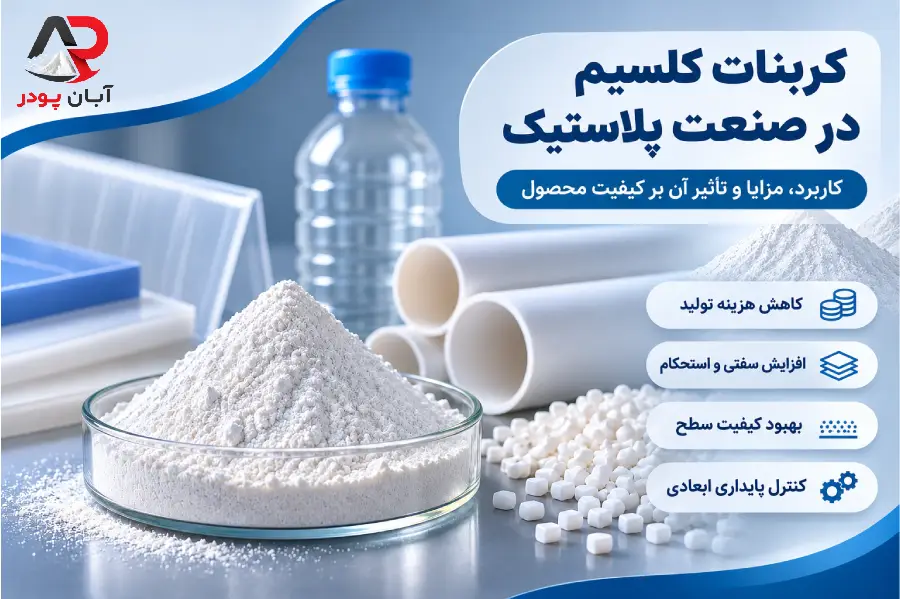
Calcium carbonate plays an important role in the production of plastic products, granules and PVC. It is added to plastic compounds as a filler and can increase the strength, hardness, dimensional stability and surface quality of the product. Used correctly, it also reduces the consumption of polymer materials and helps control the final cost of production.
In the plastics industry, how well the powder disperses in the raw materials is very important. If the calcium carbonate particles are not uniform, the final product may suffer from brittleness, discoloration or a weak surface. Choosing the right mesh and high-quality milling are key factors in achieving a standard product.
Calcium Carbonate Applications in Paper and Adhesives
In papermaking, calcium carbonate is used to increase whiteness, opacity and surface smoothness and to improve the printability of paper. The fine particles of this material can fill the voids between paper fibers and create a smoother, more uniform surface.
In the adhesives industry, calcium carbonate is also used to adjust viscosity, reduce production costs and improve certain physical properties of the product. The moisture content, purity and particle size grading of the powder are very important in adhesive formulations and should be selected to suit the type of product.
The Importance of Micronized Calcium Carbonate Quality
The quality of calcium carbonate is not limited to how white it looks. Purity percentage, particle size, moisture content, mesh uniformity, impurity level and packaging are all factors that affect the final quality of the product. A standard mineral powder must be controlled at every stage of production so that its specifications remain consistent across different orders.
Drawing on the rich mines of Aligudarz, suitable equipment and skilled specialists, Aban Powder is able to produce micronized calcium carbonate in a variety of particle size gradations and mesh sizes. This helps consuming industries obtain a product that matches the technical requirements of their production lines.
Conclusion
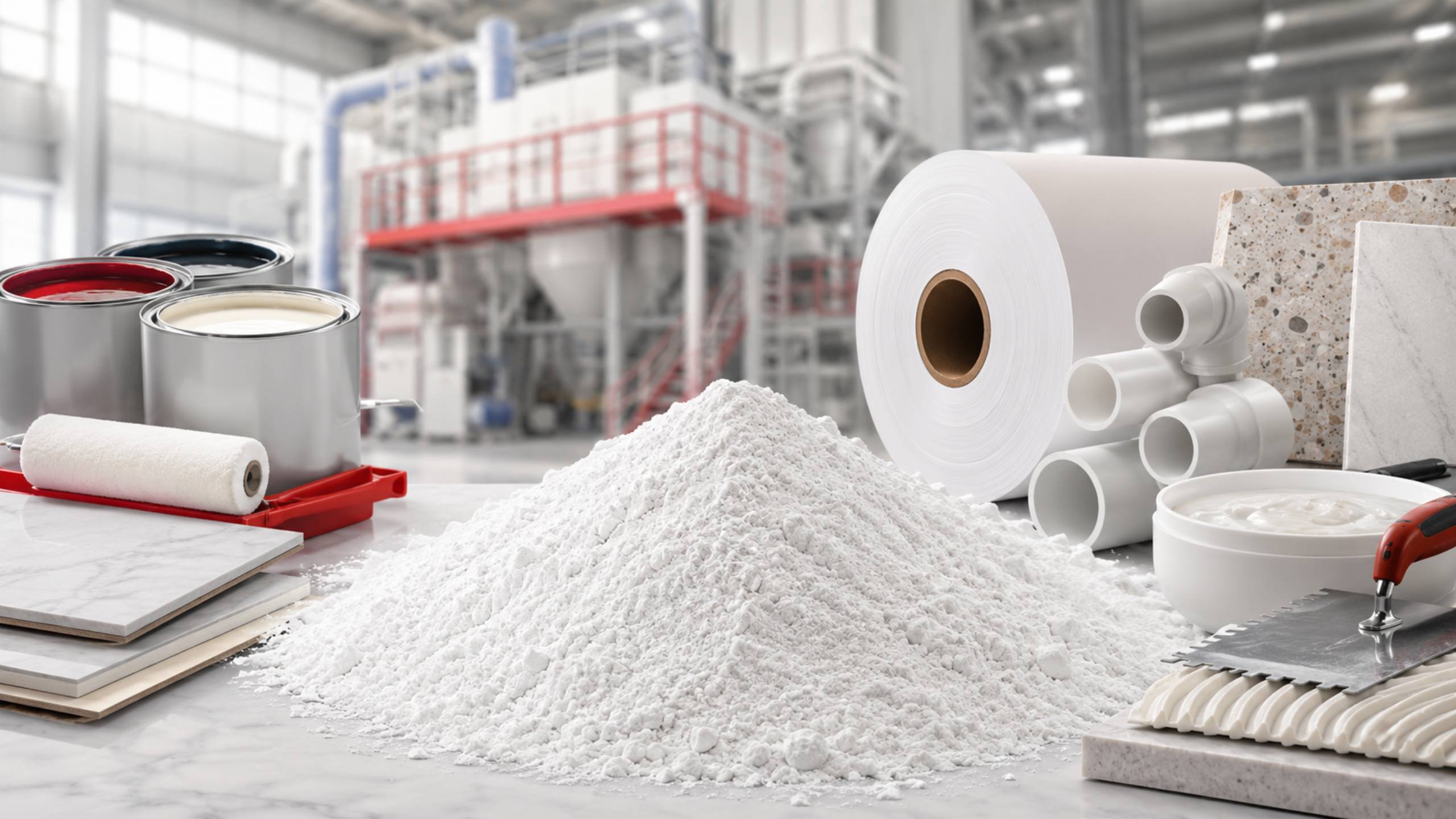
Micronized calcium carbonate is one of the most important raw materials used in the paint, plastics, PVC, paper, adhesives and ceramics industries, as well as in many other industrial products. Choosing a product with high purity, suitable whiteness and uniform particle size grading can improve production quality and keep factory costs under control. Working with a reputable, specialized producer is the most important step toward a stable and reliable supply of this mineral.